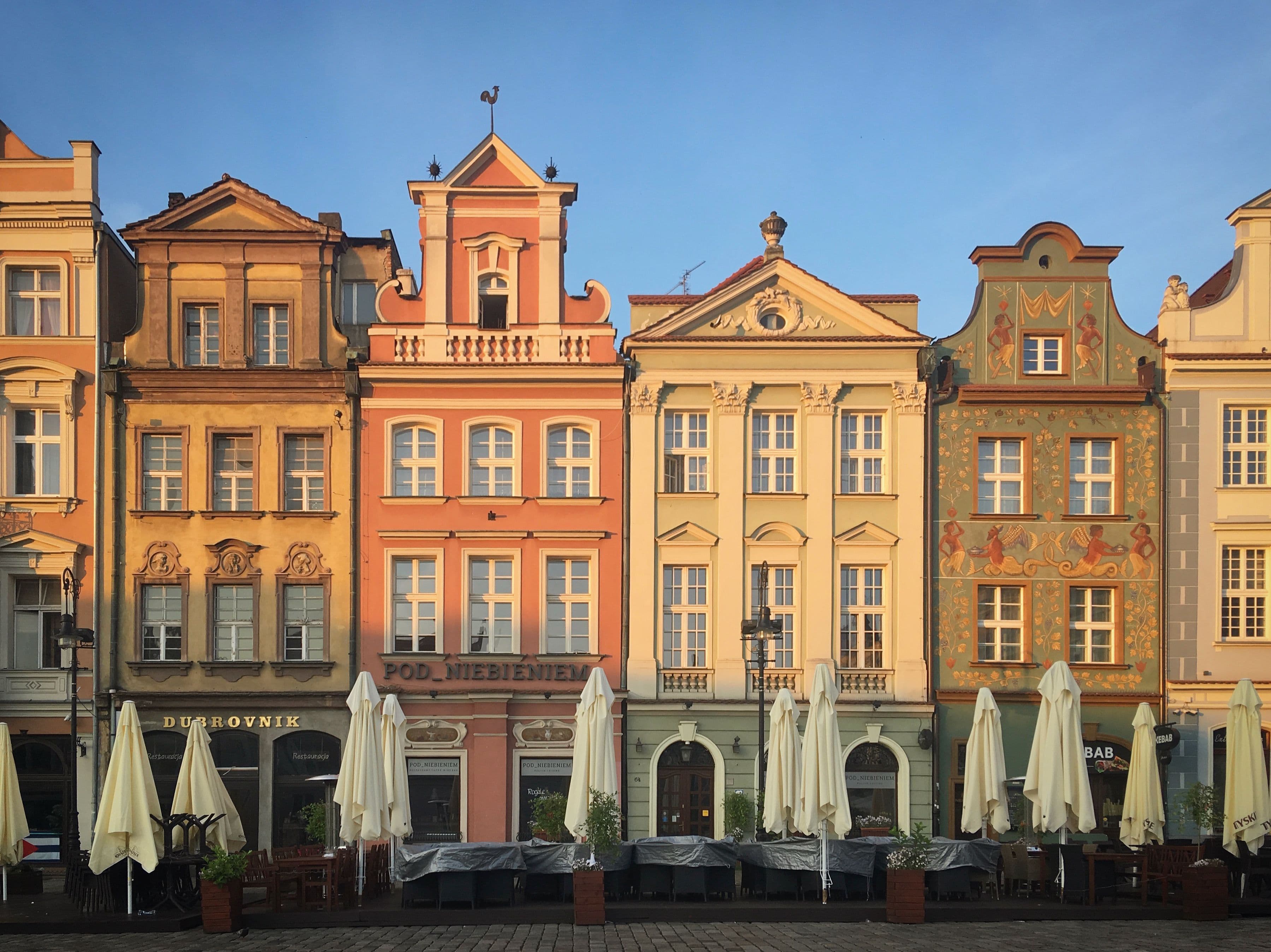
The Race
| Next Race Date | Sunday 10 October 2027 (provisional; the organiser has not yet published the 2027 date) |
|---|---|
| Course type | One-loop road marathon (2026 street-level route was unpublished at compile time) |
| Registration | Open (no qualifying time, no ballot) |
| Ballot Opens | Not applicable, open registration |
| Total finishers | ~4,100 (2025) |
| Avg race-day temp | Not confirmed. Early October in Poznań typically brings cool mornings at the 09:00 start |
| Cutoff time | 6 hours |
| Free race-day transport | Not confirmed |
| Course certification | AIMS-listed; Polish Athletics Federation- and World Athletics-certified; Competition Rule 31.21 compliant through 2026 |
The 2026 jubilee route is genuinely unpublished, not just undocumented
Poznań reroutes its course most years, and the organiser’s own English course page stated, as of compile time, that the jubilee 25th-edition route was still being finalised. The course description and km-by-km guide below describe the confirmed 2025 route as sourced historical context, not a confirmed 2026 course. Two things stay fixed regardless of the final map: the finish returns to the fair complex, concentrating baggage, food and transport in one place, and the timing system records splits at start, every 5km, halfway and finish.
History
Poznań Marathon began on 15 October 2000 as the Hansaplast Poznań Marathon, part of an autumn fixture distinct from the city’s separate spring half marathon. The City of Poznań, through its sports and recreation authority POSiR, took over as organiser and grew the event into one of Poland’s established large-city marathons. Sponsor names changed repeatedly over two decades, but by the 2020s the race carried its modern formal title: Poznań Marathon named after Maciej Frankiewicz, a former deputy mayor closely associated with sport in the city.
The pandemic interrupted the race’s run of editions. A planned 2020 race was postponed to 2021, then cancelled outright, with registrants refunded. Poznań resumed afterwards and, by autumn 2025, had run what the organiser called its 24th edition. That race, on 12 October 2025, drew a field of around 4,800 registered runners and produced 4,095 finishers, a men’s win for Ethiopia’s Tesfahun Akalnew Guangul in 2:14:01, and a women’s win for Poland’s Izabela Paszkiewicz in 2:30:13, her country’s twelfth female champion in the race’s history.
The 2025 route was a complete overhaul: organisers reversed the traditional running direction and added two new features, a passage through Poznań’s New Zoo and a stretch of specially protected turf across Enea Stadium, home ground of Lech Poznań. Whether the 25th, jubilee 2026 edition keeps any of that route was still unconfirmed as this guide was compiled.
Course measurement carries AIMS listing and Polish Athletics Federation certification, with World Athletics recognising the route as Competition Rule 31.21 compliant through 2026, a measurement credential rather than a current road-race Label. Across 19 completed editions to date, the organiser’s own statistics page recorded 71,811 total finishers from 60 countries, with 64 runners having completed every edition. Poznań now sits within the organiser-branded Złota Seria 42 alongside the Warsaw and Cracovia marathons.
The course
The Poznań Marathon starts at 09:00 on Grunwaldzka Street beside Poznań International Fair and finishes inside the same fair complex, at St Mark’s Square. The course runs as a single 42.195km road loop with kilometre boards throughout and full timing controls at every 5km plus halfway.
The organiser’s own 2026 course page had not published a street-by-street map at compile time, stating only that the jubilee route was still being finalised. Asphalt is the expected dominant surface, consistent with recent editions, though any cobbled, park-path or tram-track sections for 2026 remain unconfirmed. The confirmed start/finish arrangement sits immediately southwest of the historic centre, close to Poznań Główny railway station, which makes the station district and adjoining Jeżyce especially practical accommodation bases. The finish is an enclosed event-area arrival at St Mark’s Square, followed by fruit, chocolate and drinks in the finish zone, then a free pasta meal in Hall 3 of the fair complex.
Km 0-5: Grunwaldzka to Kaponiera (how the course ran in 2025).Runners started on Grunwaldzka Street beside the fair and headed toward the Rondo Kaponiera roundabout before turning onto Święty Marcin, one of the city’s principal boulevards, recently renovated. The opening kilometres passed the Imperial Castle (Zamek Cesarski) and Mickiewicz Square before reaching the edge of Chopin Park.
Km 5-15: toward the lake.The 2025 route crossed the St Roch bridge and ran alongside Jezioro Maltańskie, Poznań’s rowing lake, on a mixed cycle-and-footpath section, one of the flattest, most open stretches of the course, with limited shade.
Km 15-25: the New Zoo detour.New for 2025, the route passed through Poznań’s New Zoo, with organisers asking runners to keep noise down near enclosures holding flamingos, zebras and antelope. The route then returned briefly to the lake before heading south through Baraniaka and Chartowo toward the Rataje district.
Km 25-35: Wartostrada and the long turn for home.Runners reached Wartostrada, a paved riverside path through green space along the Warta, before a run of arterial roads (Hetmańska, Arciszewskiego, Ściegiennego) took the field past Ławica Airport’s perimeter, the stretch with the least crowd support of the race.
Km 35-42.195: Enea Stadium and the finish.The closing kilometres in 2025 included a short, specially protected crossing of the Enea Stadium turf, home ground of Lech Poznań, run diagonally on protective plating with supporters in the stands, before the route returned along Grunwaldzka to the finish at St Mark’s Square.
Logistics Map
The map below shows the confirmed fixed points: start, finish, expo and nearby transport. No route line is shown, since the 2026 course was unpublished at compile time. Tap a marker for details.
Pacers
Unverified. The English 2026 regulations reviewed did not publish a pacer schedule, identification method, or wave allocation. Poznań instead assigns runners to declared-time start zones (AA elite, A sub-3:10, B 3:11-3:29, C 3:30-3:59, D 4:00-4:29, E 4:30+) rather than kilometre-marked pacer groups. Zone assignment is based on the finish time declared at registration, with zone changes permitted only through 17 September 2026.
What to wear
No official climatic average was published for the 09:00 October start. Early October in Poznań typically brings cool mornings, often close to single figures Celsius, warming through the race as the sun rises; rain and crosswinds are both plausible on any given year and should be planned for rather than assumed away.
A light disposable top or old sweatshirt at the start is sensible, though no official clothing-donation or collection system has been confirmed for this race, so bring something you are prepared to carry rather than discard if no collection point appears. The exposed stretches around Jezioro Maltańskie and the Wartostrada greenway (in the 2025 route) carry the most wind risk. Later start zones (D and E, from 4:00 onward) will run through any midday warming on the exposed sections, so lighter kit and earlier sunscreen application are worth considering for slower finishers, even on a cool morning.
Entry
Poznań Marathon uses open registration rather than a ballot. Anyone who will be 18 by race day can register through the organiser’s runner portal, with no qualifying standard, charity pledge or travel package required to enter. The 2026 fee table was not visible in the English regulations reviewed; any PLN-to-GBP conversion should be checked against the live rate on the day of booking.
The regulations prohibit racing under another runner’s bib, but complete transfer, deferral and cancellation terms were not captured in the English text available. Given that the event programme, clothing choices and any transfer deadlines may close before September, registering well ahead of the cutoff is the safer approach.
Free overnight accommodation for runners
Poznań offers roughly 600 free overnight floor spaces in POSiR sports halls on the night of 3-4 October for runners who bring their own sleeping mat and bag. This is an unusual, genuinely useful budget option among European city marathons, worth knowing about before booking a hotel purely out of habit.
Fast Runner / GFA Standards
Not applicable. Poznań has no separate guaranteed-entry route for fast runners. All entrants are assigned to time-based start zones based on their declared predicted finish time: AA (elite), A (under 3:10), B (3:11-3:29), C (3:30-3:59), D (4:00-4:29), E (4:30 and slower). Runners should declare honestly, since the single mass start creates real overtaking pressure for anyone who overstates their pace.
Race Weekend
Expo
The race office relocates to Hall 3, Poznań International Fair, Głogowska 14, open Friday 2 and Saturday 3 October 2026, 10:00-20:00 both days. No Sunday-morning collection window is stated in the regulations, so runners arriving on race day itself should not expect to collect a bib at the venue.
Collection requires either photo identification or the digital start card, which becomes available through each runner’s registration profile from 14:00 on 1 October and is also sent by SMS link. The expo sits directly beside Poznań Główny station and several tram lines, making both the station district and lower Jeżyce practical accommodation choices for runners wanting a short walk to collection.
Race Morning
The race starts at 09:00 on Grunwaldzka Street beside Poznań International Fair. Runners staying near Poznań Główny, the fair itself, or lower Jeżyce can generally walk to the start. From the Old Town (Stare Miasto), trams toward Most Dworcowy, Poznań Główny or Rondo Kaponiera are the logical approach.
No official statement confirms that race registration includes free public transport on the day, so budget for a normal fare or walking distance. Because road closures reshape tram and bus routing around the course, building in extra time before the 09:00 start is worth more than trying to time an exact arrival.
After finishing at St Mark’s Square, runners receive fruit, chocolate and drinks in the finish zone, then can collect a free pasta meal from Hall 3 using their bib, a genuinely useful, low-effort option that avoids competing for a restaurant table straight off the course. Because the finish sits beside the station and tram network, returning to central accommodation should be more straightforward than at a remote finish, though expect temporary crowd control and walking detours immediately around the fair for an hour or two after the race.
Nutrition on Course
Nutrition points appear at roughly every 5km from km 5 onward, based on the regulations reviewed. Water is available at every station; isotonic drink, chocolate and bananas appear at selected points rather than every one, and cola is offered at a subset of later stations, confirmed at roughly km 20, 30 and 40 in the 2026 regulations. Personal nutrition placement on the course is accepted only for registered elite runners.
| Approx. km | Water | Other |
|---|---|---|
| 5, 10, 15, 25, 35 | Yes | Chocolate; bananas at selected points |
| 20, 30, 40 | Yes | Chocolate, bananas, and cola at selected points |
Spectating
The single safest, confirmed spectator location is Poznań International Fair itself: since the race starts and finishes there, spectators get two sightings without gambling on transport timing. A fuller three-stop plan cannot be validated until the 2026 map is published.
Itinerary: Start at the fair complex for km 0 and the finish. Once the 2026 map is published, walk or tram to a confirmed central crossing point for a mid-race sighting, then return by tram to Poznań Główny for the finish. If the 2026 route again passes the lake, a second option adds a look at Jezioro Maltańskie via a tram east from the centre, returning before road closures tighten.
Post-Race Food
The organiser’s free pasta meal in Hall 3 is the lowest-effort first food option, available on production of a bib and avoiding any wait for a table straight off the course. For an independent meal nearby, three options are worth checking closer to the date: Concordia Taste on Zwierzyniecka, a modern Polish and international menu suited to groups though a short walk from the fair; Manekin on Kwiatowa, known for large savoury pancakes and carbohydrate-heavy portions at a central, inexpensive price point, though queues can run long; and Pyra Bar on Strzelecka, a potato-based Polish menu well suited to replenishing carbohydrate and salt, though it sits further from the finish and tends to be busy.
Where to Stay
The finish sits inside Poznań International Fair, so proximity to the fair and adjoining Poznań Główny station is the natural priority for anyone wanting the shortest possible walk after 42.195km.
Poznań International Fair / Poznań Główny
The most practical race base, with many hotels within 5-15 minutes’ walk of both start and finish. This is a transport and exhibition district rather than a nightlife core, so noise is moderate, though prices can rise if a trade fair overlaps with race weekend.
Jeżyce
Immediately north of the fair, with cafes, restaurants and good tram access. Depending on the exact address, the finish sits roughly 1-2km away. Saturday-night noise varies street by street. This suits runners who want local character without Old Town crowds.
Stare Miasto (Old Town)
The best base for sightseeing and restaurant choice, generally 2-3km from the fair or a short tram ride. Market-square streets can run loud late on Saturday. Choose this area for a first visit to the city; avoid it if sleep matters more than being in the historic centre.
Łazarz and Wilda
Łazarz, south of the fair, is often better value than the station district, with many addresses walkable to Grunwaldzka Street; it runs quieter and more residential, though it offers less to a first-time visitor purely interested in sightseeing. Wilda, southeast of the station, has apartments and local restaurants reachable by a walk or short tram ride, suiting budget-conscious visitors, though some streets feel less polished than the central districts.
Recommended areas
The closest high-comfort option to both start and finish, useful for anyone wanting to walk straight from the finish line to a shower. Expect trade-fair-era pricing if a conference overlaps with race weekend.
A practical, established business hotel directly in the operational heart of race weekend, though the immediate streets around it offer little beyond fair-related traffic outside event days.
The strongest base for a genuine city break either side of the race, at the cost of a tram journey or a long walk on race morning.
Quieter and typically better value than the station district, at the cost of being further from Old Town's restaurants and sights.
A budget-central option with simpler rooms, useful for runners prioritising cost over comfort.
Booking timeline
Poznań uses open registration, so there is no ballot-result surge that spikes hotel demand overnight. Book accommodation once your own entry and flights are secured, ideally three to six months ahead of the October race. The larger pricing risk is a simultaneous trade fair at Poznań International Fair, which can push station-area rates up independently of the marathon itself. Direct flights from the UK may be limited depending on departure airport, so it’s worth comparing a direct Poznań routing against rail connections from Berlin, Warsaw or Wrocław.
See & Do
These sit in central Poznań, tram-accessible from the fair district where the race starts and finishes.
Old Market Square and Town Hall
Approx. 2-3km from finish. Poznań’s central square and Renaissance town hall, whose mechanical goats butt heads at noon each day, make an easy, mostly level combination with a post-race meal.
Ostrów Tumski and Poznań Cathedral
Reachable by tram from the fair district. A quieter post-race visit on largely level ground, centred on Poland’s oldest cathedral on an island in the Warta. Good for runners wanting historical weight without much walking.
Poznań Croissant Museum
Central Poznań, tram-accessible from the fair. A seated, indoor visit built around the city’s protected St Martin’s croissant, genuinely recovery-friendly given its limited standing time. Timed booking is worth arranging in advance.
Palm House (Palmiarnia Poznańska)
A short tram ride from the centre. A large indoor botanical garden, a sound option if October brings the rain typical of the season, though expect humidity and some standing.
Jezioro Maltańskie (Lake Malta)
Tram-accessible from the fair district. A gentle, mostly flat waterside walk, though autumn weather can be cool and any seasonal attractions around the lake may run reduced hours in October.
Read Before you Run
God's Playground: A History of Poland
Norman Davies
Poznań was the seat of the first Piast rulers and one of the cradles of the Polish state, a history this substantial national account covers in depth. It is not a light city guide, but it gives useful grounding for anyone wanting to understand why Poznań carries the historical weight it does.
First to Fight: The Polish War 1939
Roger Moorhouse
A serious account of Poland's twentieth-century experience, relevant background for the city's role in that period, though it is a substantial read rather than casual travel material.
After the Race
Poznań Marathon runs in October. These itineraries stay close to Poznań, or extend further into Poland and neighbouring countries, suited to runners recovering from an October city marathon.
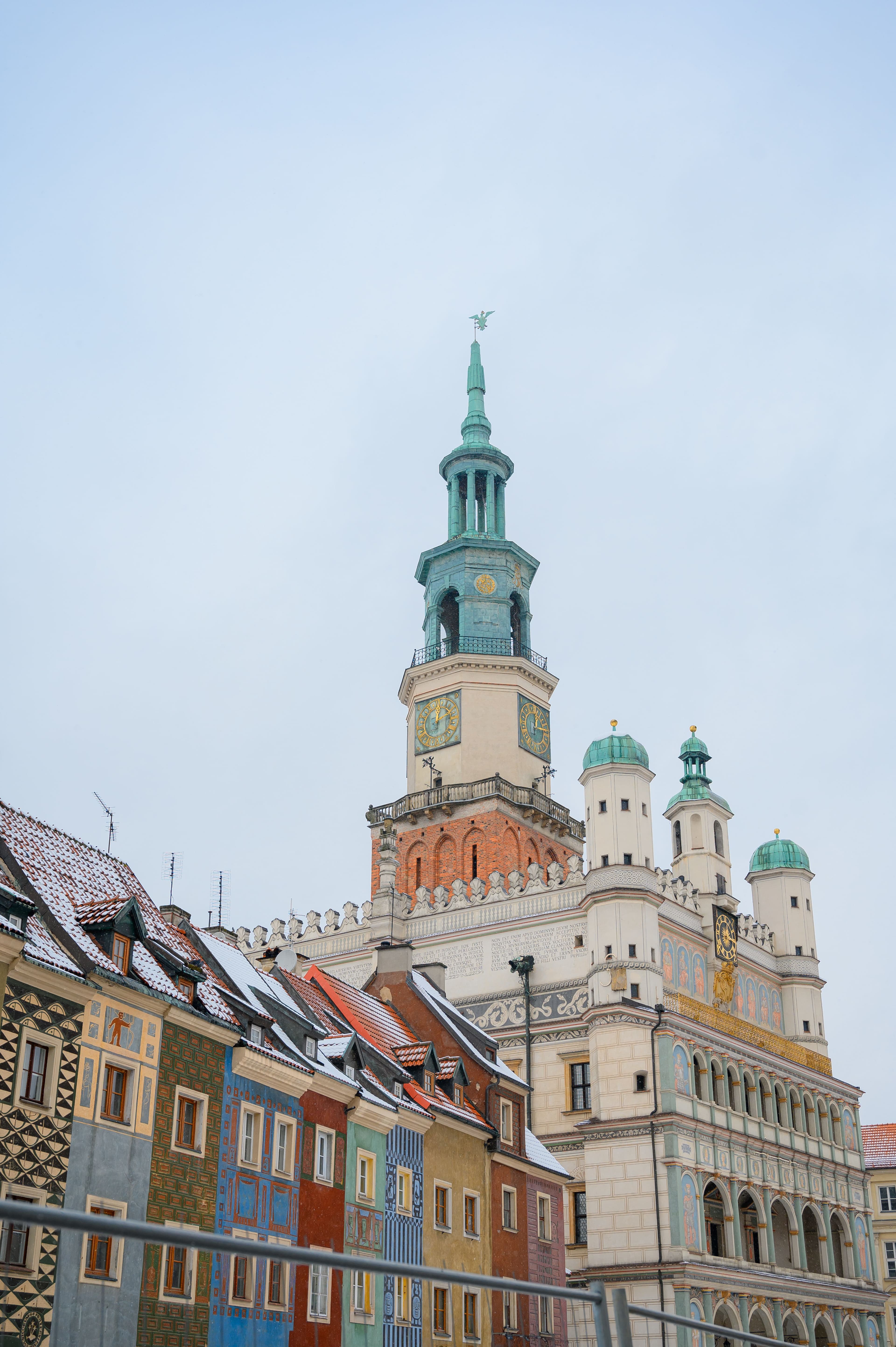
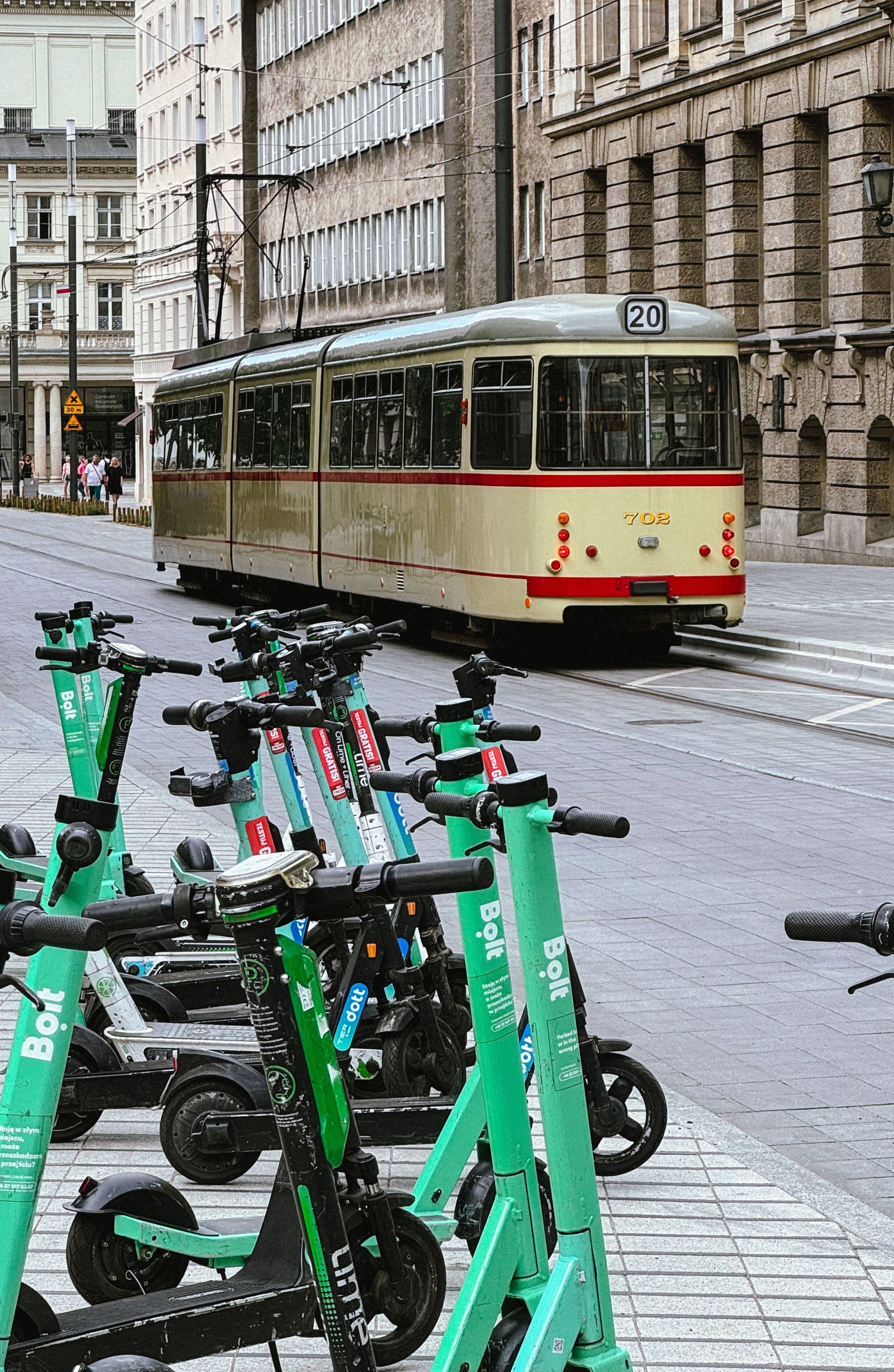
Poland's first capital and cathedral city, compact enough to see on tired legs without much walking. A low-luggage-complexity option for the day after the race.
A relaxed one-night extension with a genuinely walkable centre, though cobbled streets and bridge crossings are worth limiting on the first day after finishing.
Simple luggage logistics and extensive indoor options if October turns wet, alongside Poland's largest capital-city sightseeing list.
A history-focused extension combining Gniezno's cathedral quarter with the reconstructed Iron Age settlement at Biskupin, though October opening hours and connections need checking well ahead.
A genuine international-departure extension with a full capital-city sightseeing list, though current cross-border schedules should be verified before booking.
Frequently asked questions
Should I stay near the start or the finish?
They're the same place. Poznań Marathon starts and finishes inside Poznań International Fair, so staying near the fair or Poznań Główny station gives the shortest possible walk on both ends of race weekend.
How far in advance should I book a hotel?
Three to six months ahead is sensible for an October race, earlier still if a trade fair is scheduled at the International Fair the same weekend, which can push prices up independently of the marathon.
Is there free transport to the start?
No official free-travel entitlement has been confirmed for race entrants. Budget for a normal tram or bus fare, or plan to walk if you're staying in the fair district or Jeżyce.
What is the best area to stay?
The fair district and Poznań Główny station area for race-day logistics; Stare Miasto (Old Town) if sightseeing matters more than a short race-morning walk.
When does the expo open?
The race office moves to Hall 3 of Poznań International Fair on Friday 2 and Saturday 3 October, 10:00-20:00 both days. Bring photo ID or your digital start card.
What is the weather typically like?
Early October in Poznań usually brings cool mornings warming through the day, with rain and wind both plausible. No official climatic average has been published for the race specifically.
How do I get from the airport?
Use the airport bus or a taxi to reach the city centre or Poznań Główny station; exact routes and fares should be checked closer to travel.
Is there a bag drop?
One is expected within the fair event complex given the race's scale, though detailed 2026 instructions were not available at compile time.
Should I bring a throwaway layer?
Yes, if the forecast is cold, though no official clothing-donation system has been confirmed for this race.
How do I get back to my hotel after finishing?
Walk to a fair-area hotel directly, or use Poznań Główny and nearby trams once you've cleared any race-day diversions around the finish.