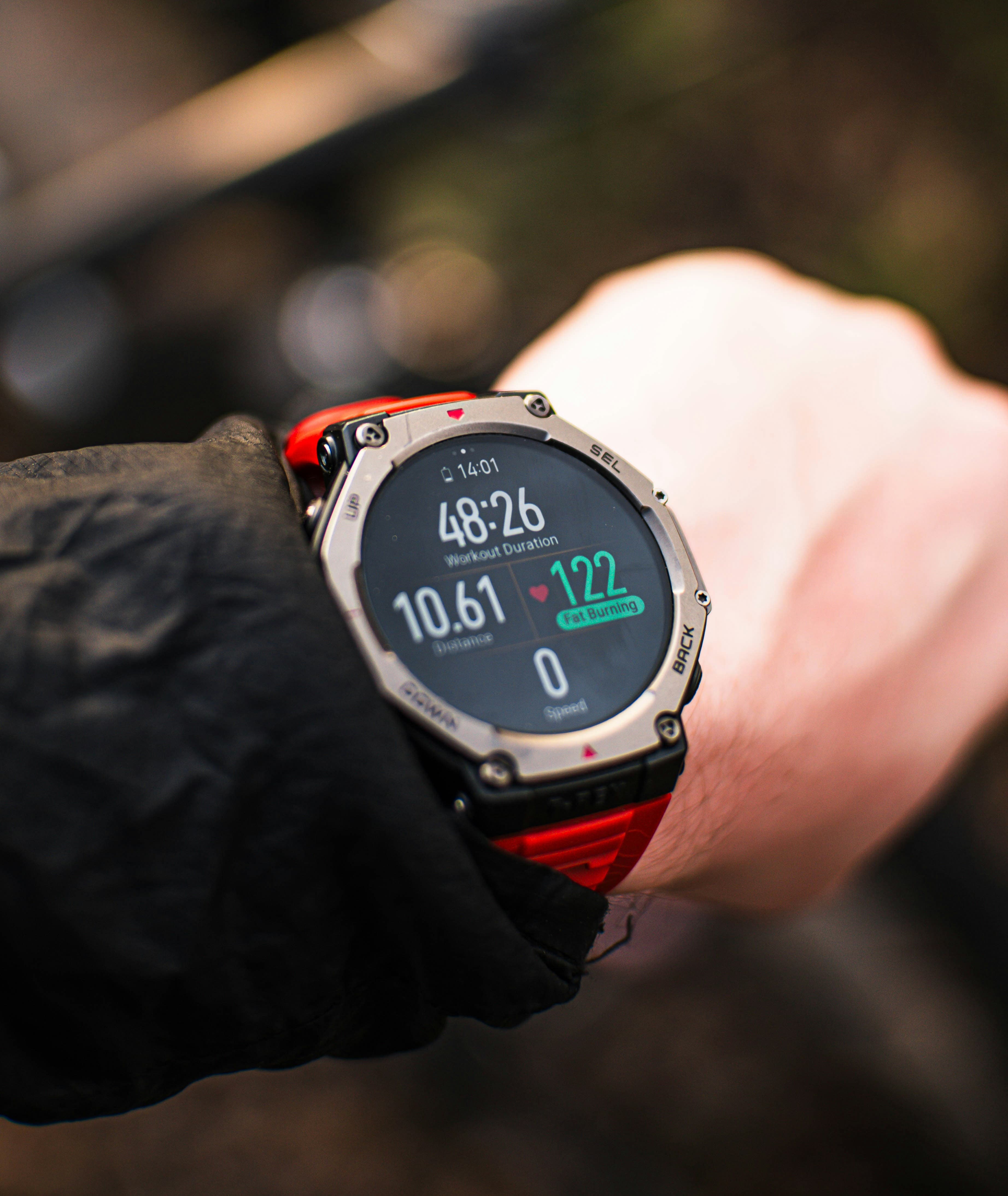
The Short Cut
- Run-tracking platforms like Strava and Nike Run Club have added feeds, kudos, leaderboards, and challenges that make running feel communal and identity-driven.
- A run no longer ends when the watch stops. It appears in a feed, earns reactions, and becomes part of a wider conversation.
- For run clubs, digital platforms extend the group experience beyond the session itself, keeping members connected and motivated throughout the week.
- The technology is changing the social architecture of the sport, shifting running away from a purely performance-based culture toward something more inclusive.
From Logging to Belonging
The biggest shift is that tracking apps have moved from being private training diaries to public social spaces. A run no longer ends when the watch stops; it appears in a feed, earns reactions, and becomes part of a wider conversation. That visibility helps runners feel seen, and being seen is a powerful incentive to keep showing up.
This is especially important for run clubs. Clubs used to rely on word of mouth, flyers, or local reputation. Now they can use digital platforms to show pace groups, route photos, attendance, and post-run socialising, which makes the club feel active even before someone attends in person.
How the Apps Do the Work
Strava-style features make participation feel game-like without turning it into pure competition. Kudos, segments, weekly totals, badges, and challenge prompts give runners small rewards that keep them engaged, while the social feed turns ordinary training into something that looks and feels like a shared ritual.
Run clubs thrive on repeated contact. A runner who sees their clubmates' workouts throughout the week is more likely to stay motivated, join the next group run, and feel part of a community even on days they don't physically turn up. The app extends the club beyond the park, track, or café.
Why It Helps Clubs Grow
Digital tracking makes clubs easier to find and easier to trust. Potential members can scroll through a club's posts, see who shows up, and get a sense of its vibe before committing to a session, which lowers the barrier to entry considerably.
It also makes clubs more aspirational. When runners see hundreds of likes on a club post or a friend's workout shared across the app, the club starts to look like part of a broader lifestyle rather than just a training group. That is one reason the modern run club feels less like an old-school athletics club and more like a social movement.
The Social Loop
The apps create a simple loop: run, post, react, repeat. That loop is especially effective with younger runners, who are more comfortable mixing fitness with social media and who often treat running as both exercise and identity.
This is why digital platforms are so good at fuelling club culture. They do not just organise data; they organise emotion. A completed run becomes proof of effort. A club post becomes proof of community. A challenge becomes proof of belonging.
The Bigger Picture
Tracking platforms are helping shift running away from a purely performance-based culture. The apps still measure pace and distance, but they also reward consistency, participation, and social engagement. That means clubs can welcome beginners, commuters, slower runners, and casual participants without losing the sense that the group is active and connected.
That is why the technology matters beyond training. By making runs visible and rewarding, digital platforms help transform a loose collection of runners into a community with its own momentum. Run clubs are benefiting because the digital layer keeps members connected even when they are not together physically.
The stopwatch still matters. It just shares the stage now with visibility, belonging, and the small but consistent thrill of being part of something that keeps moving.
Related reading: Run Clubs Are Winning the Room, But Race Series Still Own the Finish Line covers the broader cultural shift this technology is accelerating. For how younger runners in particular are using social platforms to reshape the sport, see The Young Runner Has Arrived. Strava clubs for the London Marathon and Berlin Marathon are among the most active race-specific communities on the platform.
The Extra Mile
Strava's annual Year in Sport report is the most comprehensive public dataset on running behaviour and platform growth, tracking club activity, popular routes, and participation by age and gender. For the behavioural science behind social fitness motivation, B.J. Fogg's Tiny Habits (2019) provides useful framework on how reward loops sustain behaviour change, though it is not running-specific.