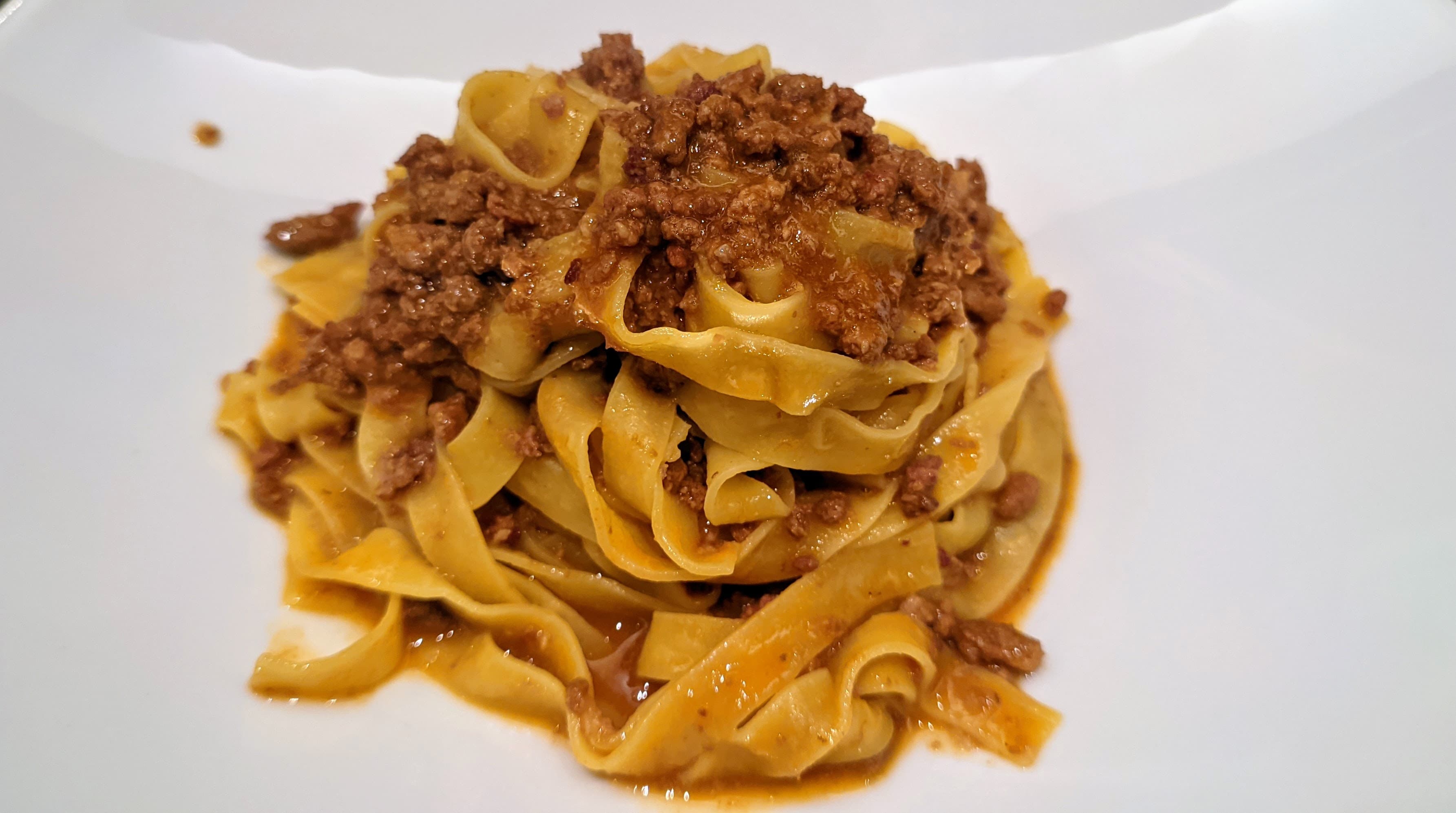
Every autumn and spring, a familiar ritual plays out in the days before major city marathons. Runners collect their bibs at the expo, then head to the nearest Italian restaurant and order the largest bowl of pasta they can find.
For decades, carb loading has been treated as a licence to overeat the night before a race. Contemporary sports nutrition has a more precise account of what is actually happening, and why doing it wrong is worse than not doing it at all.
A single large pasta dinner the night before does not significantly alter your glycogen stores. What does work is a structured, multi-day protocol. When executed correctly, it can mean the difference between a strong finish and an early, involuntary walk to the finish line.
The Short Cut
- Carb loading aims to fully saturate your muscle and liver glycogen stores before a race, giving you a larger fuel reserve to draw on in the later miles.
- Effective loading requires 10 to 12 grams of carbohydrate per kilogram of body weight per day, sustained over the 36 to 48 hours before the race, while training volume is simultaneously reduced.
- A single large meal the night before does not work. Glycogen synthesis takes time and requires a consistent multi-day carbohydrate supply.
- During loading, switch to low-fibre, easily digestible carbohydrates. Trying to hit 800 grams using wholemeal products will cause real gut discomfort.
Why Glycogen Matters
When you run a marathon, your body draws on two main fuel sources: fat and carbohydrate. Fat stores are effectively limitless, but carbohydrate stores are not. They are held as glycogen in two places: roughly 300 to 400 grams in the muscle tissue itself, and roughly 80 to 100 grams in the liver.
During prolonged, high-intensity running, exhaustion almost always coincides with critically low muscle glycogen. When these stores fall below a threshold, muscle cells can no longer generate ATP fast enough to maintain marathon pace, and power output drops sharply.
Liver glycogen plays a separate but equally important role. When the liver runs low, blood glucose levels fall. This triggers a protective mechanism in the brain that cuts central drive, making it physically difficult to maintain pace. Effective carb loading addresses both compartments: it builds muscle reserves while ensuring the liver is fully stocked to maintain blood glucose through the final third of the race.
Research has moved on from the old depletion-then-loading protocol, where athletes would run on empty for a week before the race to force the body into over-compensation. A review by Burke et al. (2007) established that well-trained athletes can achieve full glycogen supercompensation simply by tapering exercise while maintaining a high carbohydrate intake of 10 to 12g per kilogram per day over the final 36 to 48 hours. The brutal depletion phase turned out to be unnecessary.
Where Runners Go Wrong
Starting too late. Glycogen synthesis requires a consistent multi-day carbohydrate supply to move glucose from the bloodstream into muscle tissue. Leaving it to the final 12 hours tends to produce a bloated, sluggish feeling on race morning rather than the full tank you were aiming for.
Eating the wrong carbohydrates. Under normal training conditions, wholegrains and high-fibre foods are the right choice. During a 48-hour carb load, they are a liability. Hitting 800 grams of carbohydrate using wholemeal products will produce gastrointestinal discomfort, cramping, and the kind of pit stops that ruin race day. Switch to white rice, plain pasta, white bread, bananas, and sports drinks. This is temporary.
Forgetting about water. Every gram of glycogen stored in muscle or liver requires roughly three grams of water to bind it. If you increase carbohydrate intake without increasing fluid and sodium intake, your body cannot store the fuel efficiently. Expect your weight to go up by one to two kilograms before the race. That is the fuel tank filling, not fat gain.
The Protocol
| Phase | Timing | Target intake | Notes |
|---|---|---|---|
| Baseline load | 48 to 24 hours before the race | 10 to 12g carbohydrate per kg of body weight per day | Switch to simple, white carbohydrates. Drop high-fat sauces and fibre. Sip electrolyte fluids throughout the day to support water retention. |
| Taper lock | 24 hours to race eve | 10g carbohydrate per kg per day | Keep meals small and frequent to avoid feeling overfull. Make lunch on race eve your largest meal, so dinner is lighter and easier to sleep on. |
| Race morning top-up | 2 to 4 hours before the start | 1 to 4g carbohydrate per kg of body weight | This is specifically to restore liver glycogen lost overnight. Familiar, tested foods only: porridge with banana, white toast with jam. |
Related reading: For what to eat on the morning of the race itself, Race Morning Fuel covers the science of the pre-race breakfast and the hotel logistics problem. On how the body uses fat and carbohydrate during a marathon, The Engine Room covers the mitochondrial mechanisms behind fuel efficiency in detail. Race expo timing, which determines when you are likely to be eating on race eve, is covered in the race pages for Berlin, London, Tokyo, and Valencia.
The Extra Mile
- Burke, L. M., Millet, G., & Tarnopolsky, M. A. (2007). Nutrition strategies for the marathon: fuel for training and racing. Sports Medicine, 37(4–5), 344–347.
- Thomas, D. T., Erdman, K. A., & Burke, L. M. (2016). American College of Sports Medicine Joint Position Statement: Nutrition and Athletic Performance. Medicine & Science in Sports & Exercise, 48(3), 543–568.
- Jeukendrup, A. E. (2014). A step towards personalised sports nutrition: carbohydrate intake during exercise. Sports Medicine, 44(Suppl 1), 25–33.
- Noakes, T. D., et al. (2026). Carbohydrate Ingestion on Exercise Metabolism and Physical Performance: A Comprehensive Review of 100 Years of Evidence. Endocrine Reviews, 47(2), 191–214.
- Fleming, J. (2026). The science of carbohydrate loading: what marathon runners really need to know. Faculty of Sport, Allied Health and Performance Sciences, St Mary's University, London.
The information in this article is for educational purposes only and does not constitute nutritional or medical advice. Always consult a qualified healthcare professional before changing your dietary or training protocols.